Are Solar Batteries Worth It?
<span style="color: rgb(0, 0, 0);">A solar battery is worth it for some UK homes, but not all. Storing solar power alone typically adds around £100 to £180 a year to your savings. That rarely repays a £3,000 to £7,000 battery within its warranty period.</span>
<span style="color: rgb(0, 0, 0);">The case gets much stronger when the battery also charges from the grid on a cheap overnight tariff. That can roughly double the annual benefit and bring payback within reach of a battery's working life, particularly for households that are out during the day or use a lot of electricity in the evening.</span>
<span style="color: rgb(0, 0, 0);">How much does a solar battery save?</span>
<span style="color: rgb(0, 0, 0);">A battery earns its keep by turning cheap electricity into expensive electricity. Without storage, surplus solar power is exported for around 12p per kWh under a typical Smart Export Guarantee tariff.</span>

<span style="color: rgb(0, 0, 0);">Buying it back in the evening costs 26.32p per kWh under Ofgem's</span><span style="color: rgb(0, 0, 0);"> </span><span style="color: rgb(17, 85, 204);"><u>October to December 2026 price cap</u></span><span style="color: rgb(0, 0, 0);">. Each stored unit is worth the gap between those two prices, less around 10% lost in charging and discharging.</span>
<span style="color: rgb(0, 0, 0);">When is a solar battery worth it?</span>
<span style="color: rgb(0, 0, 0);">A battery is most likely to pay off if:</span>
- <span style="color: rgb(0, 0, 0);">You are out during the day, so most of your solar power would otherwise be exported.</span>
- <span style="color: rgb(0, 0, 0);">You use a lot of electricity in the evening, for cooking, laundry or an electric car.</span>
- <span style="color: rgb(0, 0, 0);">Your solar system is 4kWp or larger, leaving a regular daily surplus to store.</span>
- <span style="color: rgb(0, 0, 0);">You can switch to a time-of-use tariff with a cheap overnight rate.</span>
- <span style="color: rgb(0, 0, 0);">You are fitting it alongside new panels, which avoids a second visit and extra electrical work.</span>
<span style="color: rgb(0, 0, 0);">When is it probably not worth it?</span>
<span style="color: rgb(0, 0, 0);">The numbers are weaker if you are at home most of the day and already use much of your solar output as it is generated. The same applies to small systems with little surplus, or very low electricity use.</span>

<span style="color: rgb(0, 0, 0);">It can also be hard to justify if you plan to move within a few years. A battery is a long-term purchase, and buyers may not pay much extra for one. If cost is the main barrier, panels alone still offer a solid</span><span style="color: rgb(0, 0, 0);"> </span><span style="color: rgb(17, 85, 204);"><u>return on investment</u></span><span style="color: rgb(0, 0, 0);">, and you can ask for a battery-ready inverter so storage can be added later.</span>
<span style="color: rgb(0, 0, 0);">Our</span><span style="color: rgb(0, 0, 0);"> </span><span style="color: rgb(17, 85, 204);"><u>complete UK guide to solar batteries</u></span><span style="color: rgb(0, 0, 0);"> covers sizing and battery types in more detail.</span>
<span style="color: rgb(0, 0, 0);">Benefits beyond the bill</span>
<span style="color: rgb(0, 0, 0);">Some reasons to buy a battery are not purely financial.</span>
<span style="color: rgb(0, 0, 0);">Backup power is the most common. Not every battery keeps the lights on during a power cut, though. Many systems shut down with the grid unless they include a backup or emergency power function, so ask the installer to confirm this in writing.</span>
<span style="color: rgb(0, 0, 0);">A battery also gives you more control over when you use grid electricity. Some suppliers pay customers to cut demand at peak times or offer higher export rates for battery owners, which can add to the figures above.</span>
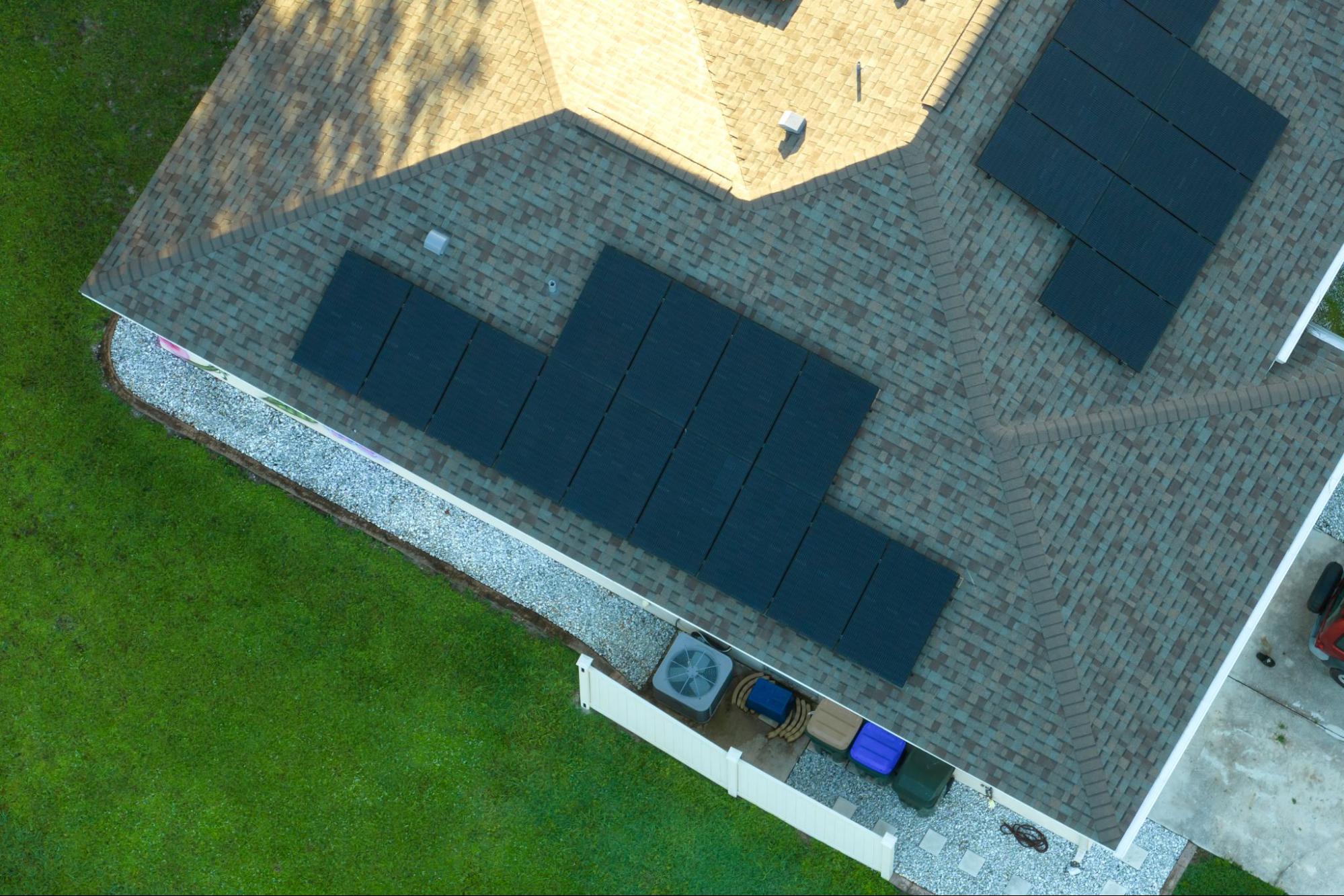
<span style="color: rgb(0, 0, 0);">Timing matters too. Qualifying battery installations are currently zero-rated for VAT until 31 March 2027, according to</span><span style="color: rgb(0, 0, 0);"> </span><span style="color: rgb(17, 85, 204);"><u>HMRC VAT Notice 708/6</u></span><span style="color: rgb(0, 0, 0);">. After that, the rate is due to rise to 5% unless the rules change.</span>
<span style="color: rgb(0, 0, 0);">So, are solar batteries worth it?</span>
<span style="color: rgb(0, 0, 0);">For households that export most of their solar power and can use a cheap overnight tariff, a battery can be worth it. A well-priced battery may repay itself in around 11 to 15 years. For homes that already use most of their solar electricity during the day, the extra saving is usually too small to justify the cost.</span>
<span style="color: rgb(0, 0, 0);">The deciding factors are your usage pattern, your tariff and the installed price. Use the</span><span style="color: rgb(0, 0, 0);"> </span><span style="color: rgb(17, 85, 204);"><u>Go Solar Today savings calculator</u></span><span style="color: rgb(0, 0, 0);"> to compare solar with and without a battery, then get quotes from up to four vetted, MCS-certified installers covering your postcode.</span>