Are solar panels worth it in 2026?
For most UK homes, the case for solar panels has strengthened rather than weakened this year.
Electricity prices are higher than they were twelve months ago, the 0% VAT relief on solar installations is still running, and the government has just set out its clearest ambition yet to triple the number of UK homes with rooftop solar by 2030.
None of this guarantees that solar is right for your specific roof, but it does mean the underlying numbers are more favourable than they've been for a while. Here's what's actually changed, and how to work out where your own home sits.
Why has this year been a turning point for solar panels?
Three things have shifted at once:
- Electricity has got more expensive
- Government backing has become more concrete
- MCS-certified quotes are easier to compare than they used to be.
On the policy side, the Department for Energy Security and Net Zero's Warm Homes Plan sets out a direct ambition to put solar panels on the roofs of up to 3 million more homes by 2030, roughly tripling today's number.
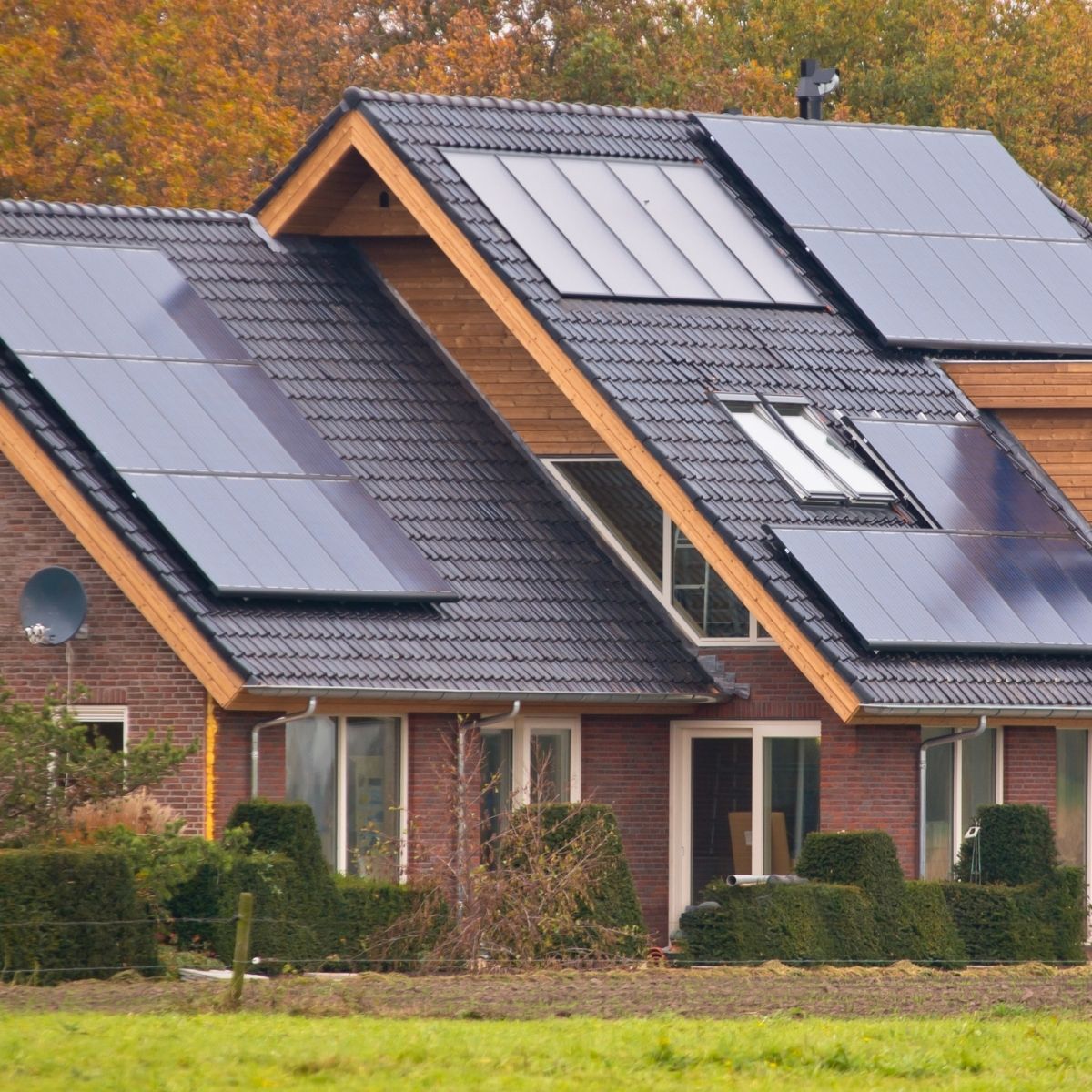
The plan also gives a worked example that's directly relevant here: a typical three-bedroom, mid-terrace home with solar panels and a battery could save around £450 a year on energy bills. That's a government estimate, not a marketing figure, and it's a useful anchor for what "worth it" can look like in practice.
On the installer side, MCS, the body that certifies UK renewable installers, recorded 267,032 certified solar PV installations in 2025, a record year and 31% above the previous high set back in 2011. That scale matters for homeowners because it means more competition, more experienced installers, and a genuinely comparable market to shop in, rather than a niche one.
How much have electricity prices risen & what does that mean for solar?
This is the part that's changed most sharply. Ofgem raised the energy price cap by 13% from 1 July 2026, taking the electricity unit rate to 26.11p per kWh for the current quarter. Every unit your panels generate and you use yourself is a unit you don't buy at that rate, so as the price of grid electricity climbs, the value of self-generated power climbs with it.
This is also why payback periods have shortened rather than lengthened in recent years, even as system costs have stayed broadly stable. The Energy Saving Trust's guidance puts typical payback for a domestic system at 11 to 21 years, and that range shifts in your favour the more expensive grid electricity becomes, since you're offsetting a higher-priced unit with every kWh you generate.
What financial support is actually available for solar panels?
There's no dedicated cash grant for solar panels specifically, and it's worth being clear-eyed about that rather than taking a competitor site's word for it. The Energy Saving Trust confirms there's currently no direct government grant for solar PV in the way there is for heat pumps through the Boiler Upgrade Scheme. What is available is:
- 0% VAT on solar installations. This has applied in England, Scotland and Wales since April 2022, and in Northern Ireland since May 2023, confirmed in HMRC's VAT Notice 708/6. It's due to end on 31 March 2027, reverting to 5%, so this isn't an indefinite relief.
- The Smart Export Guarantee (SEG), which requires licensed suppliers to pay you for electricity you export to the grid, provided your system was fitted by an MCS-certified installer.
- Low- and zero-interest consumer loans, which the Warm Homes Plan commits to rolling out for solar, batteries and heat pumps. These are being phased in, with full eligibility details still being finalised, so they're worth watching rather than waiting for if the numbers already work for your home today.
If you're weighing up timing, the VAT deadline is the one genuinely fixed date here. Everything else, including the new loan scheme, is still taking shape.
How long would it take to break even with solar panels?
That depends entirely on your usage, your roof, and your system size, which is exactly why national averages only get you so far. A well-specified system on a south-facing roof with decent daytime electricity use will pay back faster than a smaller system on a shaded, east-facing roof feeding a mostly-empty house.
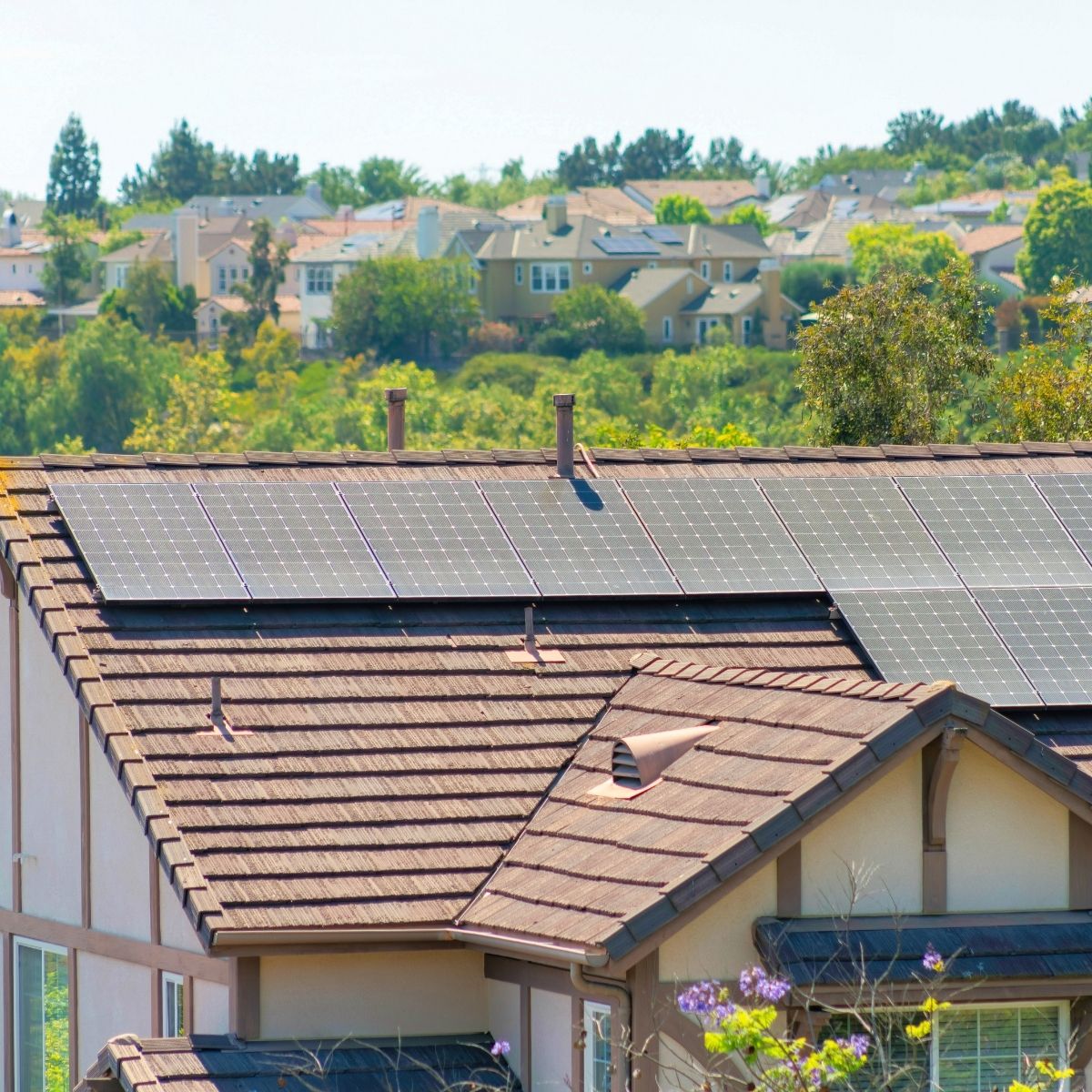
Rather than guess, it's worth running your own numbers. Our savings calculator takes your electricity bill, roof direction, home size and whether you'd add a battery, and gives you an indicative estimate against current UK energy prices and export rates in under a minute. It won't replace a proper survey, but it tells you whether it's worth getting one.
Is your home actually suitable?
Most UK roofs are suitable to some degree. South-facing pitched roofs perform best, but east- and west-facing roofs still generate well, typically 15 to 20% less than south-facing, and north-facing roofs are generally not recommended. Shading from trees, chimneys, or neighbouring buildings has more impact on output than most people expect, which is why a proper site survey matters more than a satellite-image estimate.
If your roof genuinely isn't suitable, for example due to heavy permanent shading, a reputable installer will tell you that during the survey rather than push ahead with a sale. That's also worth checking before you commit to anything.
Should you wait for the new loan scheme, or get quotes now?
If the financial case already works with existing finance options, waiting for the Warm Homes Plan's consumer loan scheme isn't necessarily the right call. Its full terms aren't expected until later in 2026 at the earliest, and the 0% VAT relief you'd benefit from today has its own end date of 31 March 2027. The direction of travel is clear, but the support that's meaningful right now, a genuinely 0% VAT installation and export payments through SEG, is already in place.
So, are solar panels worth it for you?
For most homeowners, the combination of rising electricity prices, 0% VAT, and export payments through SEG makes the financial case stronger than it's been for several years. Whether it's worth it for your specific home comes down to your roof and your usage, which is worth checking properly rather than assuming either way.
Start with our savings calculator to get a feel for the numbers, then get a free quote and we'll match you with up to four vetted, MCS-certified installers who cover your postcode, so you're comparing real prices for your roof rather than a national average.