How do solar panels work?
<span style="color: rgb(0, 0, 0);">Solar panels turn daylight into electricity you can use in your home, store in a battery, or sell back to the grid. There's no burning, no moving parts, and no reliance on strong sunshine, which is why the technology works perfectly well under the UK's grey skies as well as its summer ones.</span>
<span style="color: rgb(0, 0, 0);">Here's what's actually happening on your roof, and what it means for your bills.</span>
<span style="color: rgb(0, 0, 0);">How a solar panel works</span>
<span style="color: rgb(0, 0, 0);">A solar panel is made up of individual solar cells, most commonly cut from silicon. When daylight hits these cells, it knocks electrons loose and creates an electrical current. That's solar energy, converted directly into electricity, with no combustion and no fuel involved. </span>
<span style="color: rgb(0, 0, 0);">The</span><span style="color: rgb(0, 0, 0);"> </span><span style="color: rgb(17, 85, 204);"><u>Energy Saving Trust</u></span><span style="color: rgb(0, 0, 0);"> confirms this is the basic mechanism behind every domestic solar PV system in the UK, regardless of the panel brand or size.</span>
<span style="color: rgb(0, 0, 0);">The electricity your panels produce is direct current (DC). Your home runs on alternating current (AC), so a piece of kit called an inverter converts one into the other before it reaches your sockets.</span>
<span style="color: rgb(0, 0, 0);">From there, the power flows in a fairly simple order: your appliances use what they need first, any surplus can charge a battery if you have one fitted, and whatever's left over gets exported to the grid.</span>
<span style="color: rgb(0, 0, 0);">Do solar panels only work in the sun?</span>
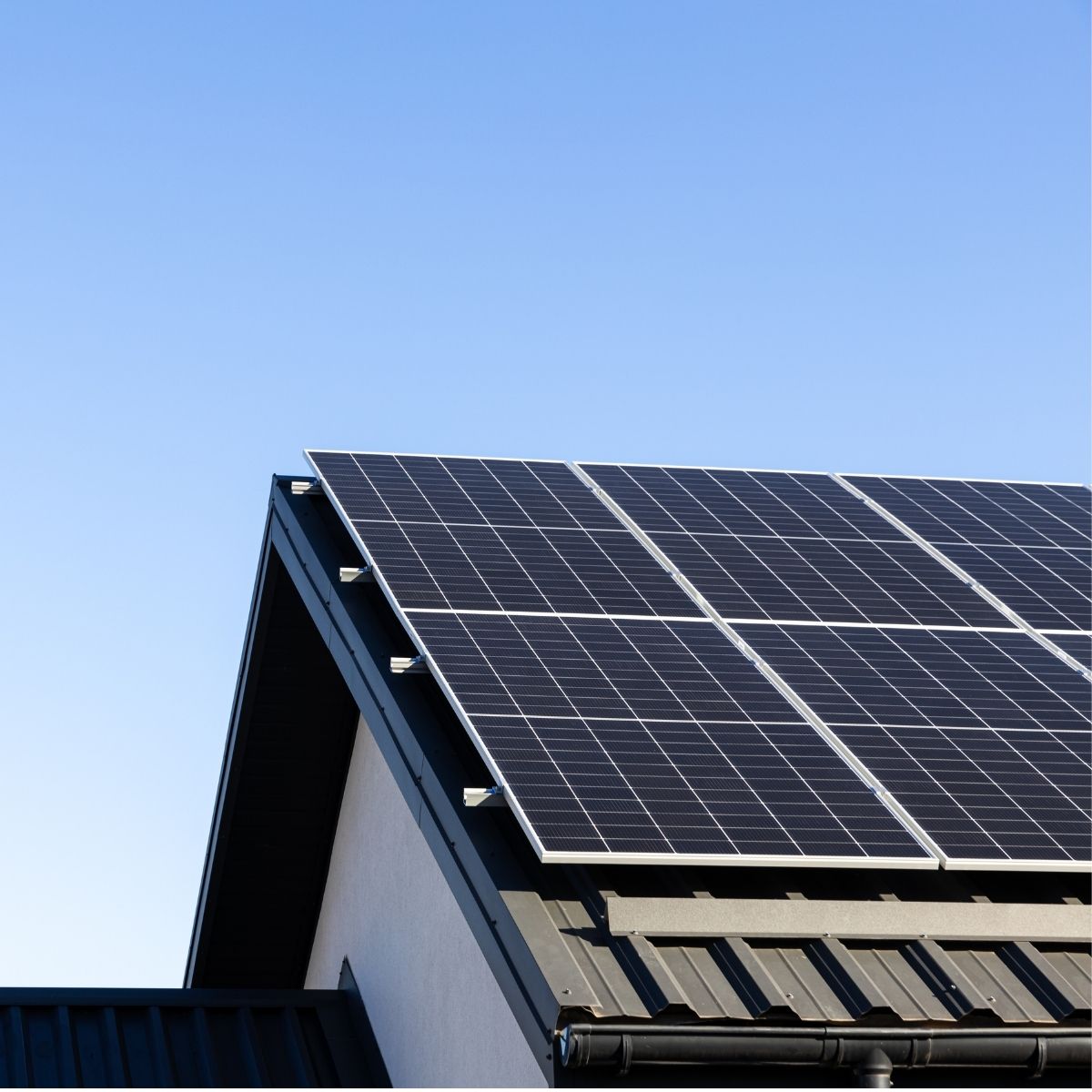
<span style="color: rgb(0, 0, 0);">A common myth is that solar panels need direct, unbroken sunlight to work. They don't. </span>
<span style="color: rgb(0, 0, 0);">Local council guidance on domestic solar echoes this directly:</span><span style="color: rgb(0, 0, 0);"> </span><span style="color: rgb(17, 85, 204);"><u>panels don't need direct sunlight to generate electricity</u></span><span style="color: rgb(0, 0, 0);">; they can work on a cloudy day, though stronger sunshine does mean more electricity generated.</span>
Output dips on overcast days and drops close to zero overnight, but the panels are still doing something useful throughout most daylight hours, allowing UK systems to [pay for themselves](/articles/solar-panel-payback-period) over time.
<span style="color: rgb(0, 0, 0);">The parts that make up your solar panel system</span>
<span style="color: rgb(0, 0, 0);">Every domestic installation is built from the same core components, whatever the brand on the panel:</span>
- <span style="color: rgb(0, 0, 0);">Solar panels (the PV array) – fitted to your roof, angled to catch as much daylight as your orientation and shading allow.</span>
- <span style="color: rgb(0, 0, 0);">Inverter – converts the DC electricity from your panels into the AC electricity your home actually uses.</span>
- <span style="color: rgb(0, 0, 0);">Generation meter – tracks how much electricity your system produces.</span>
- <span style="color: rgb(0, 0, 0);">Battery (optional) – stores surplus daytime generation so you can draw on it in the evening, rather than exporting it for a lower rate than you'd pay to buy it back later.</span>
- <span style="color: rgb(0, 0, 0);">Export connection – sends anything you don't use or store back to the National Grid, which is what makes you eligible for export payments.</span>
The equipment and system size will influence how much [solar panels cost](/articles/how-much-do-solar-panels-cost), alongside factors such as roof access and installation complexity.
None of this requires structural work beyond mounting the panels, and a typical installation is finished within one to two days.
<span style="color: rgb(0, 0, 0);">What happens to the electricity you don't use?</span>
<span style="color: rgb(0, 0, 0);">This is the part homeowners usually care about most. Under the Smart Export Guarantee (SEG), energy suppliers in England, Scotland and Wales are required to pay you for electricity you export to the grid, provided the system was fitted by an MCS-certified installer.</span>
<span style="color: rgb(0, 0, 0);">You can read the details on the </span><span style="color: rgb(17, 85, 204);"><u>Ofgem Smart Export Guarantee</u></span><span style="color: rgb(0, 0, 0);"> page, which explains how the scheme works and what suppliers must offer. If you're in Northern Ireland, SEG doesn't apply, so it's worth asking your supplier directly whether they offer an equivalent export tariff.</span>
<span style="color: rgb(0, 0, 0);">Adding a battery changes the economics here. Instead of exporting your midday surplus for a modest per-unit rate, you store it and use it yourself that evening, avoiding a far higher import rate. Most homeowners who add a battery do so specifically to reduce reliance on the grid during peak-priced hours, which is one of the reasons battery storage has become such a common add-on to new installations.</span>
<span style="color: rgb(0, 0, 0);">Why MCS certification matters more than the panel spec sheet</span>
<span style="color: rgb(0, 0, 0);">Whichever installer you go with, the certification behind them matters more than the panel brand. MCS (the Microgeneration Certification Scheme) is the industry standard the government and consumer bodies point to for domestic renewable installations.</span>
<span style="color: rgb(0, 0, 0);">Without an MCS certificate for the work, you won't qualify for SEG export payments, and you may find warranty or insurance conditions harder to satisfy if something goes wrong. </span>
<span style="color: rgb(0, 0, 0);">It's the first thing worth checking on any quote, and it's a non-negotiable filter on our</span><span style="color: rgb(0, 0, 0);"> </span><span style="color: rgb(17, 85, 204);"><u>homeowner savings calculator</u></span><span style="color: rgb(0, 0, 0);"> and quote-matching process, since every installer we work with is MCS-certified and independently checked before they ever appear on our platform.</span>
<span style="color: rgb(0, 0, 0);">Do you need planning permission for solar panels?</span>
<span style="color: rgb(0, 0, 0);">For most UK homes, no. Roof-mounted solar panels typically fall under permitted development, provided they don't project more than 200mm from the roof slope and stay below the highest part of the roof (excluding the chimney).</span>
<span style="color: rgb(0, 0, 0);">The</span><span style="color: rgb(0, 0, 0);"> </span><span style="color: rgb(17, 85, 204);"><u>Planning Portal's official guidance on solar panels</u></span><span style="color: rgb(0, 0, 0);"> sets out the specific limits and conditions in full. Listed buildings, conservation areas, and some flats are handled differently, so it's worth a quick check with your local planning authority if your property falls into one of those categories. In practice, your installer will flag anything unusual during the survey stage, well before any commitment is made.</span>
<span style="color: rgb(0, 0, 0);">Is your roof actually suitable for solar panels?</span>
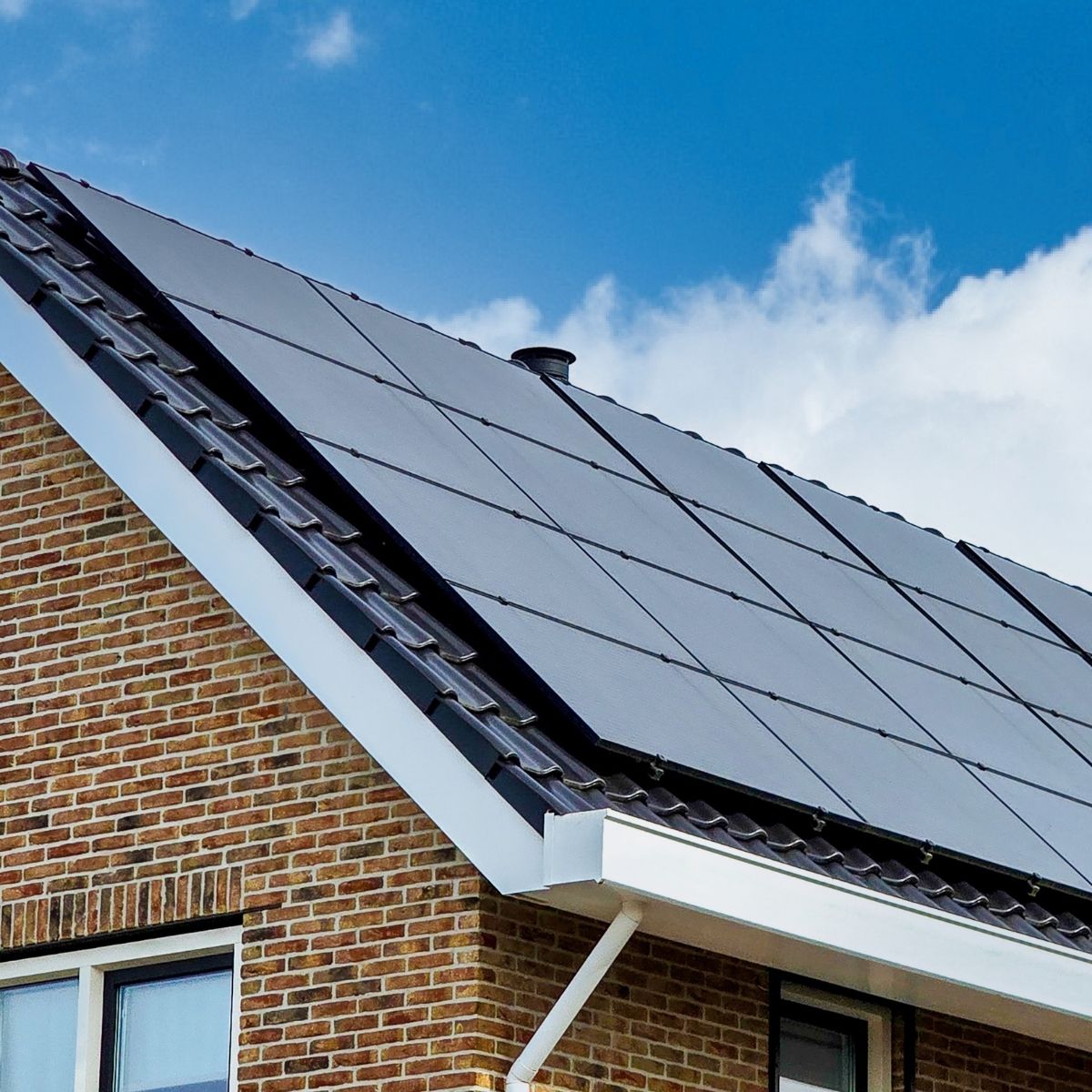
<span style="color: rgb(0, 0, 0);">Suitability comes down to three things:</span>
- <span style="color: rgb(0, 0, 0);">Orientation</span>
- <span style="color: rgb(0, 0, 0);">Pitch</span>
- <span style="color: rgb(0, 0, 0);">Shading.</span>
<span style="color: rgb(0, 0, 0);">South-facing roofs generate the most, but east- and west-facing roofs still produce well, just spread differently across the day. Shading from chimneys, trees, or neighbouring buildings has a bigger impact on output than most people expect, which is why a proper survey (not just a satellite image) is worth insisting on before you commit to a system size.</span>
<span style="color: rgb(0, 0, 0);">The vast majority of UK roofs are suitable to some degree; where one genuinely isn't, a reputable installer will say so honestly rather than push the sale.</span>
<span style="color: rgb(0, 0, 0);">Are solar panels worth it for your home?</span>
The mechanics are the same for every roof, but the savings aren't. Whether [solar panels are worth it](/articles/are-solar-panels-worth-it) depends on your electricity usage, roof orientation, system size and whether you add a battery.
<span style="color: rgb(0, 0, 0);">Our</span><span style="color: rgb(0, 0, 0);"> </span><span style="color: rgb(17, 85, 204);"><u>savings calculator</u></span><span style="color: rgb(0, 0, 0);"> runs those four factors against realistic UK energy prices and export rates to give you an indicative figure in under a minute, with no sign-up required.</span>
<span style="color: rgb(0, 0, 0);">If the numbers stack up, the next useful step is comparing what installers are actually quoting for your property. You can</span><span style="color: rgb(0, 0, 0);"> </span><span style="color: rgb(17, 85, 204);"><u>get a free quote</u></span><span style="color: rgb(0, 0, 0);">, and we'll match you with up to four vetted, MCS-certified installers who cover your postcode, so you're comparing real numbers rather than national averages.</span>
<span style="color: rgb(0, 0, 0);">Running a business rather than a home? The same principles apply at a larger scale, with different considerations around usage patterns and system sizing; our</span><span style="color: rgb(0, 0, 0);"> </span><u>solar for businesses</u><span style="color: rgb(0, 0, 0);"> page covers what's different about a commercial installation.</span>